
William Driver Papers
William Driver Papers
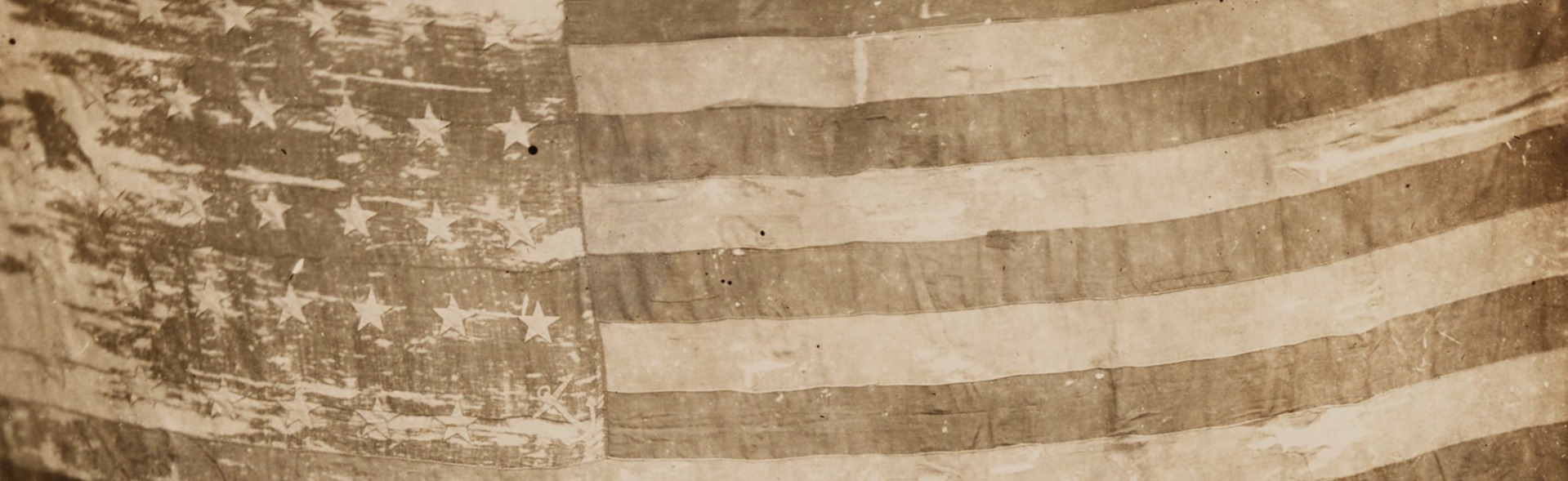
The William Driver Papers contains material related to William Driver, the Salem-born sea captain best known for his coining of the phrase “Old Glory” to refer to the United States flag. Captain Driver is also known for his transportation of the descendants of the HMS Bounty mutineers back to the Pitcairn Islands in 1831, as well as his ownership of the original flag known as Old Glory. This digital collection contains all manuscript materials from the William Driver papers held by the Phillips Library. The first selection includes materials related to the Driver Family, including letters and speeches written by Driver and sent to his brothers and other family members. The second selection includes correspondence and narratives related to Driver's transportation of the descendants of the HMS Bounty mutineers. The final selection includes institutional material from the Essex Institute (a precursor organization of the Phillips Library) related to a dispute and investigation over the origin of a flag donated by Driver's niece. For additional information, view the collection’s finding aid. The Browse All button aggregates all digitized material in this collection.
William Driver Biography
Captain William Driver was born on March 17, 1803, in Salem, Massachusetts. At the age of 14, Driver sailed on the brig China as a cabin boy. He spent the next two years sailing between Calcutta and the United States, first on the ship George, and then on the brigs Jason and Batavia. When he returned to Salem from his voyage on the Batavia, he was promoted to mate and trading officer onboard the Clay.
At the age of 21, he became a licensed master mariner. After accepting command as Captain of the Charles Daggett, Driver was presented with a flag from his mother and the other women of Salem that he named "Old Glory."
During his ninth voyage, following a tumultuous passage from Salem aboard the Charles Daggett, Driver arrived in Tahiti, where the descendants of the HMS Bounty petitioned Driver to return them to Pitcairn Island. Believing the Charles Daggett had been spared on the passage by God for this purpose, Driver agreed to return them to the Pitcairn Islands. The Charles Daggett left Tahiti for Pitcairn Island on August 14, 1831, with 65 islanders, arriving safely 22 days later.
Driver had married Martha Silsbee Babbage on September 19, 1830, having three children with her. In 1837, her death from throat cancer precipitated Driver’s retirement from the maritime trade. He moved his family to Nashville, Tennessee, where his brothers, George and Stephen, had already moved and opened a store. The next year, Driver married Sarah Jane Parks. They had nine children together.
After his arrival in Nashville, "Old Glory" was either kept in a wooden sea chest or suspended by a rope from Driver's attic to a tree across the street. During the Civil War, Driver had his neighbors help him sew "Old Glory" inside a quilt to hide it from Confederate troops. When Union troops arrived in Nashville, Driver presented them with "Old Glory" to hang over the state capital building.
William Driver died on March 3, 1886.
Bibliography
Driver, William, Transcripts of correspondence and a manuscript relating to the Pitcairn islands, March 24, 1877. William Driver Papers, MH 84 box 7, folder 1. Phillips Library, Peabody Essex Museum.
Fisher, Horace N. “Reminisces of the raising of the original ‘Old Glory.’” William Driver Papers, MH 84 box 1, folder 1. Phillips Library, Peabody Essex Museum.
Kerchendorfer, Paul R. "What's In a Name: the Story of William Driver Who First Called Our Flag ‘Old Glory'." National Historical Magazine LXXI, no. 5 (1938): 68-70.
Merrill, John. "Old Glory" Driver. NY: Vantage Press, 1956.
Roland, Mary J. D. Old Glory: the True Story. NY: Privately Printed, 1918.
William Driver Biography
Captain William Driver was born on March 17, 1803, in Salem, Massachusetts. At the age of 14, Driver sailed on the brig China as a cabin boy. He spent the next two years sailing between Calcutta and the United States, first on the ship George, and then on the brigs Jason and Batavia. When he returned to Salem from his voyage on the Batavia, he was promoted to mate and trading officer onboard the Clay.
At the age of 21, he became a licensed master mariner. After accepting command as Captain of the Charles Daggett, Driver was presented with a flag from his mother and the other women of Salem that he named "Old Glory."
During his ninth voyage, following a tumultuous passage from Salem aboard the Charles Daggett, Driver arrived in Tahiti, where the descendants of the HMS Bounty petitioned Driver to return them to Pitcairn Island. Believing the Charles Daggett had been spared on the passage by God for this purpose, Driver agreed to return them to the Pitcairn Islands. The Charles Daggett left Tahiti for Pitcairn Island on August 14, 1831, with 65 islanders, arriving safely 22 days later.
Driver had married Martha Silsbee Babbage on September 19, 1830, having three children with her. In 1837, her death from throat cancer precipitated Driver’s retirement from the maritime trade. He moved his family to Nashville, Tennessee, where his brothers, George and Stephen, had already moved and opened a store. The next year, Driver married Sarah Jane Parks. They had nine children together.
After his arrival in Nashville, "Old Glory" was either kept in a wooden sea chest or suspended by a rope from Driver's attic to a tree across the street. During the Civil War, Driver had his neighbors help him sew "Old Glory" inside a quilt to hide it from Confederate troops. When Union troops arrived in Nashville, Driver presented them with "Old Glory" to hang over the state capital building.
William Driver died on March 3, 1886.
Bibliography
Driver, William, Transcripts of correspondence and a manuscript relating to the Pitcairn islands, March 24, 1877. William Driver Papers, MH 84 box 7, folder 1. Phillips Library, Peabody Essex Museum.
Fisher, Horace N. “Reminisces of the raising of the original ‘Old Glory.’” William Driver Papers, MH 84 box 1, folder 1. Phillips Library, Peabody Essex Museum.
Kerchendorfer, Paul R. "What's In a Name: the Story of William Driver Who First Called Our Flag ‘Old Glory'." National Historical Magazine LXXI, no. 5 (1938): 68-70.
Merrill, John. "Old Glory" Driver. NY: Vantage Press, 1956.
Roland, Mary J. D. Old Glory: the True Story. NY: Privately Printed, 1918.